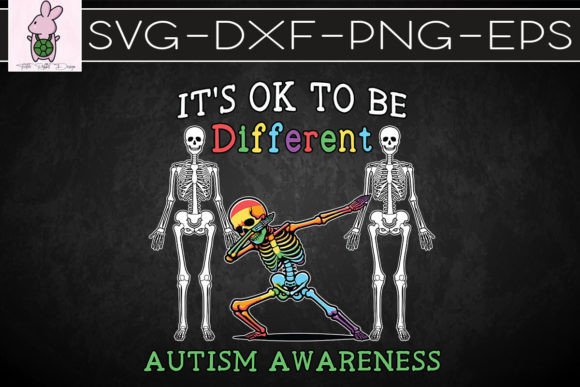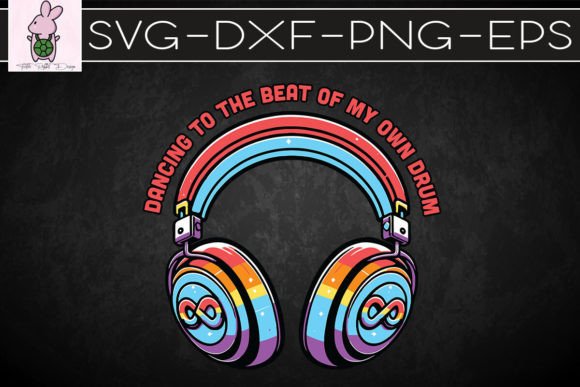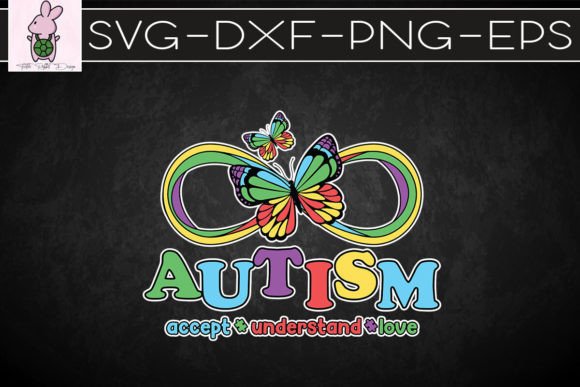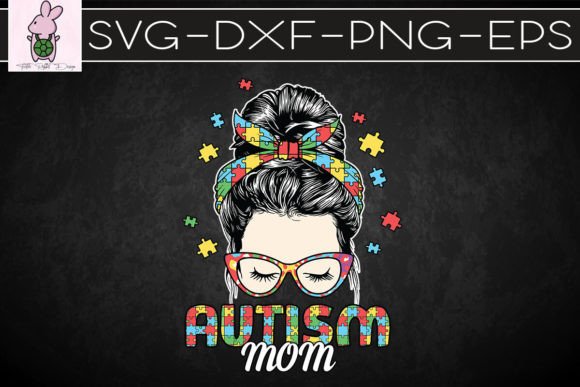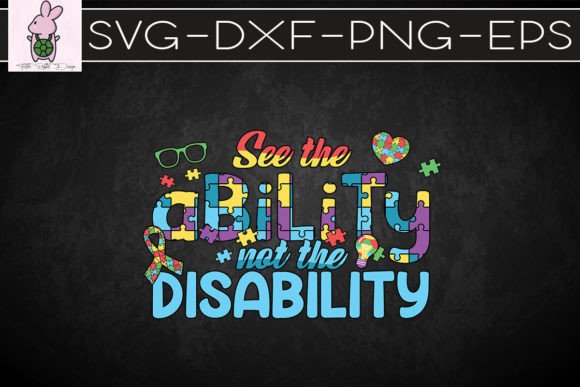
See the Ability Autism SVG
A Designer’s First Look: Clean, Calm, and Purposeful
Opening See the Ability Autism SVG feels like stepping into a quiet, thoughtful space—no visual noise, no forced whimsy. The composition balances simplicity with intention: soft curves, open negative space, and a gentle flow between text and symbolic elements. It’s not flashy or ornate, which is exactly why it works so well for embroidery. As a designer who’s stitched hundreds of custom pieces—from baby onesies to boutique aprons—I immediately recognized its quiet strength. This isn’t a design shouting for attention; it’s one that invites pause, respect, and recognition. That tone matters deeply when you’re translating meaning into thread.
Real-World Test: A Custom Embroidered Tote for an Inclusive Preschool
Last week, I used See the Ability Autism SVG on a natural cotton tote bag for a local preschool’s “Neurodiversity Awareness Week.” We chose medium-weight twill fabric, medium tear-away stabilizer, and 40-weight rayon thread in muted sage and warm charcoal. The result? Crisp edges, breathable fill stitches, and zero puckering—even across the curved shoulder seam where the hoop had to shift slightly. Parents and teachers commented on how “calm” and “grounded” the finished piece felt—not clinical, not sentimental, but genuinely human. That’s the mark of a design built for real use, not just screen appeal.
Where It Shines (and Where to Pause)
See the Ability Autism SVG excels in projects where clarity and emotional resonance matter more than complexity:
- Custom apparel: Works beautifully on sweatshirts, lightweight hoodies, and structured tote bags—especially when paired with a clean, centered placement.
- Baby and nursery items: Its open layout avoids overcrowding on onesies or pillow covers, and the balanced proportions scale down well without losing legibility.
- Patches and aprons: The moderate stitch density holds up under repeated washing, and the clean lines translate cleanly into satin-stitched borders.
- Holiday and gift embroidery: Feels meaningful without being seasonal—ideal for teacher appreciation, sibling gifts, or inclusive family celebrations.
- Etsy listings and small shop merchandise: Reads clearly in thumbnail previews and printable mockups, helping craft business owners communicate value quickly.
What Demands Extra Attention
This isn’t a “drop-in-and-stitch” file for every scenario. Use discernment:
- Small hoop sizes (under 4”): The design’s gentle width may require slight repositioning or trimming of outer whitespace—check your machine’s usable area before hooping.
- Stretchy or thin fabrics: On knits or lightweight voile, add cut-away stabilizer beneath and topping for surface hold—running stitch outlines can blur without support.
- Dark or textured backgrounds: While the PNG includes a clear background, test contrast early. Light thread on black fabric needs careful tension tuning; dense fill areas may require reduced density in your embroidery software.
- Curved surfaces (caps, hats): The horizontal orientation suits front-panel cap embroidery, but avoid placing near the crown seam unless you’ve tested stitch pull on a sample.
- Frequent-wash products: Confirm thread colorfastness and consider poly thread for kitchen towels or baby bibs—rayon adds sheen but less durability over time.
Design Integrity Meets Commercial Practicality
As someone who reviews embroidery files for both personal projects and client work, I pay close attention to how a design supports—not undermines—professional presentation. See the Ability Autism SVG strengthens handmade credibility because it avoids cliché, resists trend fatigue, and carries consistent visual weight across formats. When customers see this on a personalized gift or boutique product, they sense intention—not just decoration. That builds trust. For Etsy sellers and craft fair vendors, that nuance translates directly into perceived value and repeat engagement. It also layers well into broader brand storytelling: pair it with neutral packaging, soft photography, and thoughtful copy, and it becomes part of a cohesive message—not just a graphic slapped on fabric.
Practical Designer Notes Before You Stitch
Before committing to your final project, take these steps:
- Test on scrap fabric matching your target garment’s weight and stretch.
- Review stitch density in your embroidery software—adjust if needed for delicate fabrics or high-contrast thread combos.
- Check small details like curve endpoints and letter spacing at actual stitch size—what looks smooth on screen may need minor cleanup at 2x zoom.
- Run black-and-white mockups to assess readability on light vs. dark backgrounds.
- Confirm stabilizer pairing: Medium tear-away for stable wovens; cut-away + topping for knits or textured weaves.
- Verify licensing before selling finished embroidered items or bundling See the Ability Autism SVG into digital product kits—commercial use rights aren’t implied by format alone.
Final Thought: A Design That Stitches With Respect
In the Crafts and Graphics space, many autism-themed designs lean heavily into puzzle pieces or ribbons—familiar, yes, but often emotionally flattened by repetition. See the Ability Autism SVG sidesteps that entirely. Its quiet confidence, balanced rhythm, and thoughtful spacing make it feel like a conversation starter—not a statement piece shouting from a distance. Whether you’re stitching a personalized gift for a family navigating diagnosis, creating inclusive merchandise for a school fundraiser, or building a small shop’s identity around empathy and craft, this file supports authenticity instead of ornamentation. That’s rare. And worth the extra five minutes of prep.