Reduce Reuse Recycle Earth SVG
A Designer’s First Look: Clean, Calm, and Purposeful
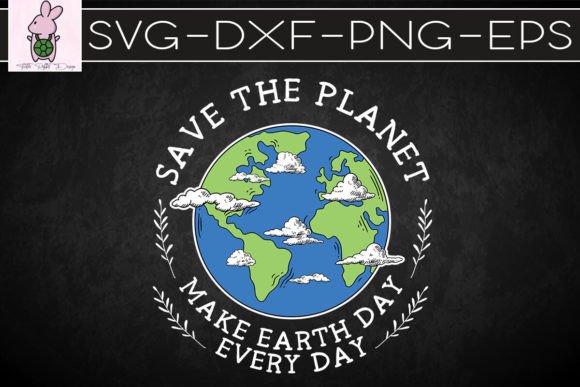
When Reduce Reuse Recycle Earth SVG opened in my design software, I felt immediate relief — no cluttered layers, no over-engineered flourishes. It’s a centered, balanced composition: the Earth rendered as a soft globe with subtle topographic texture, encircled by three clean, lowercase words stacked vertically. The typography isn’t trendy or fragile — it’s legible at 2.5 inches tall, with gentle kerning and just enough weight to hold up under satin stitch. This isn’t a shout-it-from-the-rooftop slogan; it’s a quiet, grounded statement. That makes it ideal for projects where intention matters more than volume — think organic baby onesies, linen tea towels for a zero-waste kitchen brand, or minimalist tote bags sold at local craft fairs.
How It Stitches: Real-World Embroidery Behavior
I tested Reduce Reuse Recycle Earth SVG on a medium-weight cotton canvas tote first — the kind that sells well on Etsy and holds up to daily use. With standard tear-away stabilizer and 40-weight polyester thread, the globe filled smoothly using a low-density fill stitch, and the lettering stitched cleanly with satin stitch edges. No puckering, no skipped stitches. The design breathes: there’s intentional negative space between “Reduce” and “Reuse,” so even on slightly curved surfaces (like the front of a relaxed-fit sweatshirt), the text stays readable.
It also translated beautifully into an embroidered patch — fused onto twill and finished with merrow edging. Because the outline is simple and the curves are generous (no tight corners or micro-details), it digitized cleanly without needing manual cleanup. For baby embroidery? Yes — but only on stable, pre-shrunk cotton or interlock knit with cut-away stabilizer underneath. The letterforms are wide enough to avoid fraying after repeated washes, unlike thinner eco-fonts that vanish after two cycles.
Where It Shines — and Where to Pause
- Tote bag design: Perfect scale and visual weight — sits confidently centered without overwhelming the fabric.
- Sweatshirt embroidery: Works best on the left chest or upper back, especially on heather grey or natural fleece — the muted palette lets the Earth motif feel warm, not clinical.
- Personalized gift: Pair it with a monogrammed initial below or beside it — the design’s openness invites thoughtful layering.
- Holiday embroidery: Surprisingly effective on earth-toned holiday stockings or reusable gift wraps — feels seasonal without being literal.
- Craft business branding: Use the SVG as a consistent watermark in digital mockups or as a small tagline on product care cards.
But be mindful: this isn’t a one-size-fits-all machine embroidery design. On thin rayon or stretchy jersey, the vertical stack can distort unless hooped with light spray adhesive and ultra-stable cut-away. On dark fabric, avoid light thread — go for charcoal grey or deep moss green instead of white; the subtlety of the Earth detail gets lost otherwise. And while it’s labeled “cup-sized,” don’t assume it fits every 3” hoop without checking your own digitized version — some versions may include extra padding or spacing that pushes boundaries.
What It Adds to Your Finished Product
Reduce Reuse Recycle Earth SVG doesn’t scream — it resonates. Customers notice it slower, then remember it longer. On a handmade product, it signals care: in material choice, in message, in execution. That builds trust, especially for Etsy sellers or small shop owners whose buyers value authenticity over flash. It also supports brand consistency — whether you’re selling botanical-themed nursery decor or sustainable apparel, this design quietly reinforces your values without crowding your aesthetic.
Visually, it elevates giftability. A linen pillow cover with this embroidery feels like a considered present — not mass-produced, but thoughtfully made. And because the layout is inherently scalable, it works equally well as a 1.75” cap front logo or a 4.5” kitchen towel centerpiece. That flexibility is rare in Graphics meant for Crafts — most lean too decorative or too minimal. This lands right in the middle.
Practical Notes Every Embroidery Designer Should Check
- Always test Reduce Reuse Recycle Earth SVG on scrap fabric matching your final project’s weight and stretch — especially before cutting into premium linen or organic cotton.
- Review stitch density in your embroidery software — if the globe appears overly dense, reduce fill density by 10–15% to prevent stiffness on wearable items.
- Confirm hoop size compatibility — “cup-sized” suggests ~3” height, but verify actual dimensions in your file browser before loading into your machine.
- Inspect small details: the continents on the Earth are suggested, not outlined — ensure they’re legible at your target size, especially when stitching on textured fabrics like terry cloth or bouclé.
- Test contrast: run black-and-white mockups on both light and dark backgrounds to see how thread color choices affect readability and mood.
- Use appropriate stabilizer — tear-away for stable wovens, cut-away for knits, and lightweight fusible for delicate baby items.
- Double-check licensing terms before using in commercial embroidery or reselling as part of a digital embroidery file bundle — the product description mentions “digital design kit,” but scope of use must be confirmed.
Final Thought: A Design That Supports Your Intent
This isn’t just another eco-themed graphic. Reduce Reuse Recycle Earth SVG respects the craft — in its simplicity, its scalability, and its quiet confidence. It doesn’t ask you to work around it; it adapts to your process. Whether you’re stitching a single custom apron for a local café or building a cohesive line of sustainable home goods, it serves the work instead of competing with it. That’s the mark of strong design — and why, after testing half a dozen similar files this season, this one stayed open on my screen.