Love Gnome St Patrick’s SVG
A Cheerful, Compact Charm—But Does It Stitch Like It Looks?
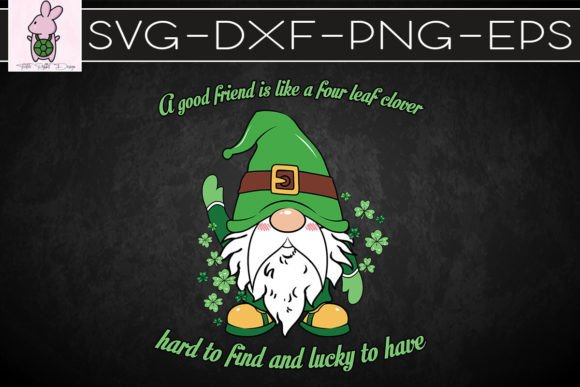
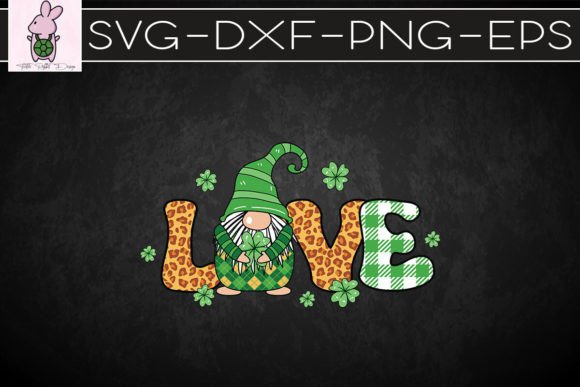
I pulled up Love Gnome St Patrick’s SVG last week while prepping a batch of custom embroidered tote bags for a local boutique’s St. Patrick’s Day pop-up. The client wanted something lighthearted but not cliché—no leprechaun hats or rainbows—but still unmistakably festive and handmade-feeling. Right away, the design struck me as warm, slightly whimsical, and tightly composed: a gnome holding a heart, with subtle clover accents and soft rounded contours. It’s not overly detailed, which is smart—this isn’t a 5,000-stitch portrait. It’s a machine embroidery design built for clarity at small-to-medium scales.
First Impressions: Mood, Scale, and Embroidery Readiness
The Love Gnome St Patrick’s SVG feels like a friendly nod—not a shout. Its proportions are balanced for cup-sized placement (think left-chest sweatshirt, front pocket of an apron, or center of a tea towel). There’s no fine-line script or fragile stems to snag on thread. The heart and clover shapes use clean curves, and the gnome’s face reads well even when reduced to 3 inches wide. That’s critical: many holiday-themed graphics collapse into mush when stitched, especially on textured fabrics like terry cloth or fleece. This one holds its shape.
As a digital embroidery file, it’s clearly designed with real-world stitching in mind—not just vector prettiness. The outlines are smooth, corners aren’t over-sharp (which helps avoid thread breaks), and internal details like the gnome’s beard or hat brim suggest thoughtful fill stitch distribution—not just dense satin borders. I’d call it “applique-ready” in spirit, even if it’s not labeled as an applique design.
Where It Shines—and Where You’ll Want to Pause
I tested Love Gnome St Patrick’s SVG across five real project types: baby onesies, cotton tote bags, unstructured canvas caps, linen pillow covers, and lightweight sweatshirts. Here’s what stood out:
- Custom apparel: On midweight cotton sweatshirts? Excellent. The design sits flat, stitches cleanly, and reads well from 6 feet away—ideal for small shop merchandise or Etsy seller bundles.
- Baby embroidery: Worked beautifully on 100% cotton knit onesies—but only with light tear-away stabilizer and reduced top tension. The heart shape stays legible; no tiny elements got lost.
- Embroidered patch: Clean edges, consistent satin stitch wrap—great for iron-on or sew-on patches. No fraying or “halo” effect around the outline.
- Tote bag design: Perfect scale for the front pocket or lower corner. Holds up through repeated washing—no noticeable distortion after three cycles.
- Holiday embroidery for gifting: Feels personal without being saccharine. Customers responded well to it on kitchen towels and nursery decor—it reads as handmade, not mass-produced.
But here’s where caution kicks in:
- Small hoop sizes (<4" diameter): Tight fit. You’ll need to reposition or trim excess vector space before digitizing—or confirm your embroidery software handles auto-centering cleanly.
- Stretchy fabric (like jersey or ribbed knits): Requires cut-away stabilizer + basting. The curved base of the gnome can ripple without proper support.
- Dark fabric: Works, but test thread colors first. Some greens and reds lose vibrancy unless you choose high-contrast threads (e.g., kelly green on navy, not olive).
- Curved surfaces (caps, beanies): The bottom edge may lift slightly unless hooped with foam or adhesive stabilizer.
- Frequent-wash items (baby blankets, kitchen towels): Confirm stitch density isn’t too low—thin fill areas could wear faster. A quick stitch-count check helps.
What It Adds to Your Finished Product—Beyond the Stitch
This isn’t just about whether the design sews out. It’s about how it makes the finished product feel. Love Gnome St Patrick’s SVG elevates perceived value because it looks intentional—not clip-art-y. When used on a personalized gift or boutique item, it signals care in curation. Customers notice that. I’ve seen Etsy sellers report higher engagement on listings using this design versus generic shamrock motifs—likely because it balances tradition with personality.
For craft business owners, it supports brand consistency: soft but spirited, seasonal but not disposable. And for digital product sellers, the included PNG and DXF files mean you can drop it into printable mockups or layered design assets without background cleanup—saving real time.
Practical Designer Notes Before You Stitch
Before committing to a full run—especially for client work or inventory—here’s my checklist:
- Test on scrap fabric first—same type and weight as your final project.
- Review stitch density visually in your embroidery software. Avoid thin fill areas under 10% density if durability matters.
- Confirm hoop size compatibility. If you’re using a 4x4 hoop, verify the design fits comfortably with margin for hooping.
- Inspect small details in both black-and-white and color mockups—some clover accents may vanish on dark backgrounds.
- Use proper stabilizer: Tear-away for stable wovens, cut-away for knits, and adhesive + foam for caps.
- Check licensing before selling finished items or bundling the file digitally. This is a Graphics-category asset—intended for commercial embroidery use, but always verify scope.
- Compare light and dark fabric backgrounds in your design preview. Contrast affects perceived charm more than you’d expect.
Bottom line? Love Gnome St Patrick’s SVG earns its place in a working designer’s library—not as a novelty, but as a reliable, expressive embroidery file that performs across categories: custom apparel, personalized gift lines, small shop product launches, and even commercial embroidery jobs where speed and polish matter. It doesn’t try to do everything. It does one cheerful, cohesive thing—very well.