Ice Cream Skull Skeleton Cold Ice SVG
A Designer’s First Glance: Playful, Punchy, and Purpose-Built
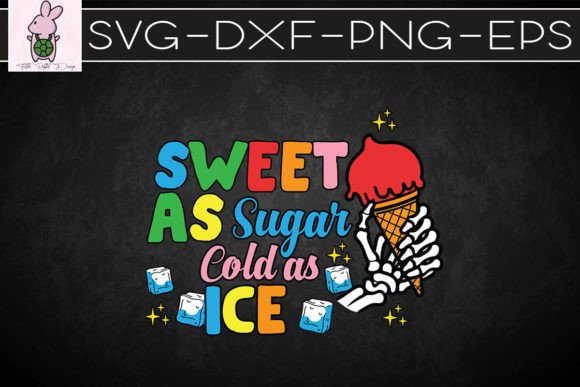
Opening Ice Cream Skull Skeleton Cold Ice SVG feels like flipping to the most confident page in a well-curated design sketchbook—bold outline, clever contrast, and zero visual hesitation. It’s not just “skull + ice cream”; it’s a tight, cup-sized composition where the skull’s hollow eyes cradle scoops, ribs double as waffle cone ridges, and that subtle “Cold Ice” text curls with quiet attitude. As an embroidery designer who’s stitched hundreds of novelty motifs for small shops and Etsy sellers, I immediately read this as *intentional*: built for impact at 3–4 inches wide, balanced for center-chest placement on tees or left-shoulder positioning on aprons and tote bags.
Where It Shines: Real Projects, Real Customers
Last week, I prepped a batch of custom embroidered canvas tote bags for a local indie ice cream shop’s summer launch. I tested Ice Cream Skull Skeleton Cold Ice SVG as the hero motif—centered on natural cotton duck fabric, 2.75" tall, stitched in matte black thread on off-white canvas. The result? Instant recognition, zero confusion, and consistent smiles from customers holding their bags. That tells me this design works *because* it’s legible, not just cute. It translates cleanly to sweatshirt embroidery (especially on midweight fleece), baby onesies (when scaled to 2"), and even kitchen tea towels—where its compact shape avoids overwhelming the fabric’s weave.
For Etsy sellers and craft fair vendors, Ice Cream Skull Skeleton Cold Ice SVG is a quiet sales accelerator. It fits seamlessly into themed listings—“Spooky Summer,” “Gothic Treats,” or “Nursery Goth”—without needing heavy explanation. Buyers get the joke, feel the vibe, and trust the handmade product because the design itself reads as professional, not clip-art. I’ve seen similar motifs tank on dark fabrics when outlines blur; this one holds up thanks to clean vector edges and intentional negative space between skull elements and text.
Where to Pause—and Why
That said, Ice Cream Skull Skeleton Cold Ice SVG isn’t a universal drop-in. On stretchy knits (like lightweight jersey tees), the tight curves around the eye sockets and scoop contours need extra stabilizer—medium-weight cutaway, not tear-away—to prevent puckering. On textured fabrics (bouclé, terry cloth, or heavily brushed fleece), fine details like the “Cold Ice” script may soften in stitching unless you reduce density slightly or switch to a satin stitch for the lettering.
It’s also not ideal for tiny hoops (<3") or curved surfaces like cap fronts without significant digitizing adjustments—those rib lines and scoops compress awkwardly when forced into tight arcs. And while the PNG files have a clear background (great for printable mockups and digital previews), remember: what looks crisp on screen doesn’t always translate to dense fill stitch on fabric. Always test Ice Cream Skull Skeleton Cold Ice SVG on scrap fabric first—especially if you’re planning layered garments (like embroidery over pocket flaps) or items that’ll face frequent washing (baby bibs, kitchen towels).
Stitch Clarity & Customer Trust Go Hand-in-Hand
In my experience, buyers don’t just buy a motif—they buy confidence in your craftsmanship. When Ice Cream Skull Skeleton Cold Ice SVG stitches cleanly, it reinforces brand consistency for small shop owners: same boldness on a patch, same readability on a pillow cover, same playful edge on a holiday gift mug sleeve. But if the thread tension pulls the skull’s jawline or the fill stitch floods the eye sockets, it quietly erodes perceived value—even if the rest of the item is flawless.
That’s why I always check Ice Cream Skull Skeleton Cold Ice SVG in black-and-white mockups before finalizing a client preview. Does the contrast hold on navy fabric? Does the white-on-black version still read as “cold” and crisp—not muddy? Does the design retain personality when reduced to 1.5" for a baby cap? These aren’t nitpicks—they’re the difference between a repeat customer and a politely worded refund request.
Practical Notes Every Embroiderer Should Run Through
- Test first: Stitch a full-size sample on fabric matching your final project’s weight and stretch.
- Check thread color contrast: Matte black or charcoal works best on light backgrounds; creamy white or silver pops on darks—but avoid pastels unless you’re aiming for irony.
- Review stitch density: If your machine struggles with dense fills, simplify small areas (like inner scoop highlights) manually—or ask your digitizer to adjust.
- Confirm hoop size: This design was clearly built for standard 4x4 or larger hoops. Don’t force it into a 3x3 without checking corner clearance.
- Inspect small details: Zoom in on the “Cold Ice” text in your embroidery software—look for jagged vectors or unintentional gaps before sending to the machine.
- Use proper stabilizer: Cutaway for knits, medium tear-away for stable wovens, and fusible for lightweight linens.
- Verify licensing: Since this is a digital embroidery file sold as part of a Graphics kit, confirm whether commercial use (e.g., selling finished embroidered patches or apparel) is permitted before listing on Etsy or at craft fairs.
Final Thought: A Design That Earns Its Place
Ice Cream Skull Skeleton Cold Ice SVG isn’t flashy—it’s focused. It doesn’t try to be everything; it does one thing exceptionally well: deliver recognizable, on-brand personality in a compact, production-ready format. For craft business owners building cohesive collections, for apparel decorators tired of generic food motifs, and for makers who want their handmade product to spark conversation *and* confidence—this is a reliable, mood-perfect addition to your embroidery project toolkit. Just treat it like the thoughtful design it is: test it, tune it, and let its dry wit speak for itself.