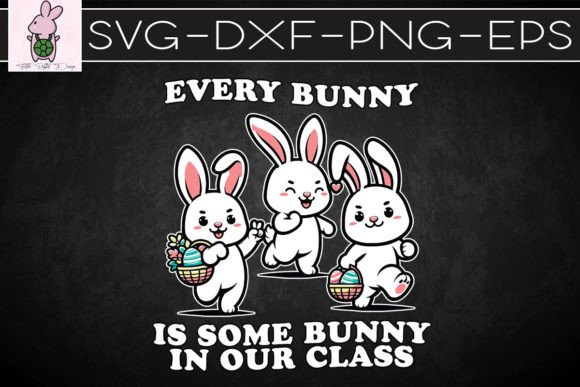
Easter Bunnies Spring Teacher SVG
A Designer’s First Glance: Sweet, Simple, and Ready for Real Stitching
Opening Easter Bunnies Spring Teacher SVG feels like unrolling a spring morning—soft pastel energy, gentle curves, and a warm, approachable charm. It’s not overly fussy or cartoonish; instead, it balances playful bunnies with clean teacher-themed accents (think chalkboard-style lettering or subtle apple motifs) in a compact, cup-sized layout. As an embroidery designer who’s stitched hundreds of seasonal files, I immediately notice how thoughtfully the elements nest together: no floating limbs, no awkward spacing, and just enough detail to read clearly at 3–4 inches tall—but not so much that it’ll choke a small hoop or blur on baby onesies.
Where This Design Truly Shines in Real Projects
I recently prepped a batch of embroidered cotton tote bags for a local teacher appreciation pop-up—and Easter Bunnies Spring Teacher SVG was my top pick for the front panel. Why? Because it stitches cleanly on medium-weight canvas, reads well from three feet away, and carries genuine warmth without leaning into cliché. It performed equally well on a lightweight sweatshirt (using tear-away + light cutaway stabilizer), a linen tea towel (with reduced density fill stitch), and even as a fused embroidered patch on denim aprons for a boutique kitchen line.
For Etsy sellers and small shop owners: this design fits naturally into curated spring collections—think “Teacher Appreciation Week” bundles, Easter gift sets for educators, or personalized baby blankets for spring-born little ones. Its balanced scale means it works on both adult and children’s apparel without resizing gymnastics. And because the SVG, PNG, and DXF files are all included, you can easily adapt it for laser-cut wood tags, sublimation mockups, or printable cards—making it more than just an embroidery file. It’s versatile design assets, not just a one-off stitch pattern.
Where to Proceed with Care—Not Caution, Just Craftsmanship
Like any well-intended machine embroidery design, Easter Bunnies Spring Teacher SVG has natural boundaries. On highly textured fabrics—like thick terry cloth towels or bouclé knit caps—the fine details (especially around bunny ears or tiny lettering) may soften slightly. On stretchy knits, always use a firm cutaway stabilizer and consider slowing your machine speed by 15–20% to prevent puckering near curved edges.
Dark fabric? No problem—but test thread colors first. The design relies on contrast, so a pale yellow satin stitch on navy might need a slight density bump or a matte thread for clarity. Tiny hoops (under 4”) will require careful placement: avoid stitching the full composition if your hoop can’t comfortably accommodate the outermost elements without re-hooping. And while it’s not an applique design, don’t force dense fill areas onto ultra-thin cotton—opt for lighter underlay or switch to running stitch outlines where appropriate.
What It Adds to Your Finished Product—Beyond the Stitch
This isn’t just about whether the bunnies come out crisp. It’s about how the design makes your customer *feel*. A teacher receiving a tote with Easter Bunnies Spring Teacher SVG stitched neatly in soft mint and cream doesn’t just see a holiday motif—she sees intention, care, and quiet recognition of her role. That emotional resonance elevates your handmade product from “nice” to “meaningful.” For craft businesses, that translates directly into repeat buyers, heartfelt reviews, and word-of-mouth referrals.
Visually, the design supports brand consistency: its clean lines and cohesive palette make it easy to pair with matching stickers, tags, or digital packaging. It also holds up beautifully in printable mockups—I used the high-res PNG with transparent background to generate Instagram-ready flat lays in under five minutes. No pixelation, no edge halos. That professionalism builds trust before the first stitch is even made.
Practical Designer Notes You’ll Want to Keep Handy
- Always test first: Run Easter Bunnies Spring Teacher SVG on scrap fabric matching your final project’s weight and weave—even if it’s “just cotton.”
- Check thread color contrast: View your chosen thread combo against both light and dark fabric swatches—not just on screen.
- Review stitch density: If embroidering on delicate items (baby onesies, silk-blend pillow covers), reduce fill density by 10–15% to keep the fabric supple.
- Confirm hoop size compatibility: Measure the design’s widest point in your software and compare it to your hoop’s usable area—not just its labeled size.
- Inspect small details: Zoom in on ears, eyes, and text strokes. Are they wide enough to hold shape at your intended size? If not, adjust digitizing settings before stitching.
- Test black-and-white mockups: This reveals clarity issues faster than color previews—especially for subtle gradients or fine outlines.
- Use proper stabilizer: Medium-weight cutaway for knits, tear-away for stable wovens, and fusible for lightweight linens.
- Verify licensing: Since Easter Bunnies Spring Teacher SVG is marketed for commercial use, double-check the license terms before selling finished items or bundling it into digital products.
Final Thought: A Thoughtful Tool, Not Just a Trendy File
Easter Bunnies Spring Teacher SVG won’t replace your core design library—but it fills a specific, joyful gap: professional yet personable, seasonal but not fleeting, simple enough for beginners but refined enough for seasoned crafters. Whether you’re stitching a single personalized gift or scaling production for a spring wholesale order, it delivers consistent results without demanding excessive troubleshooting. In the world of crafts and graphics, that balance is rare—and valuable. Use it with intention, test it with care, and let its quiet charm do the rest.